
Hydration Isn't Enough
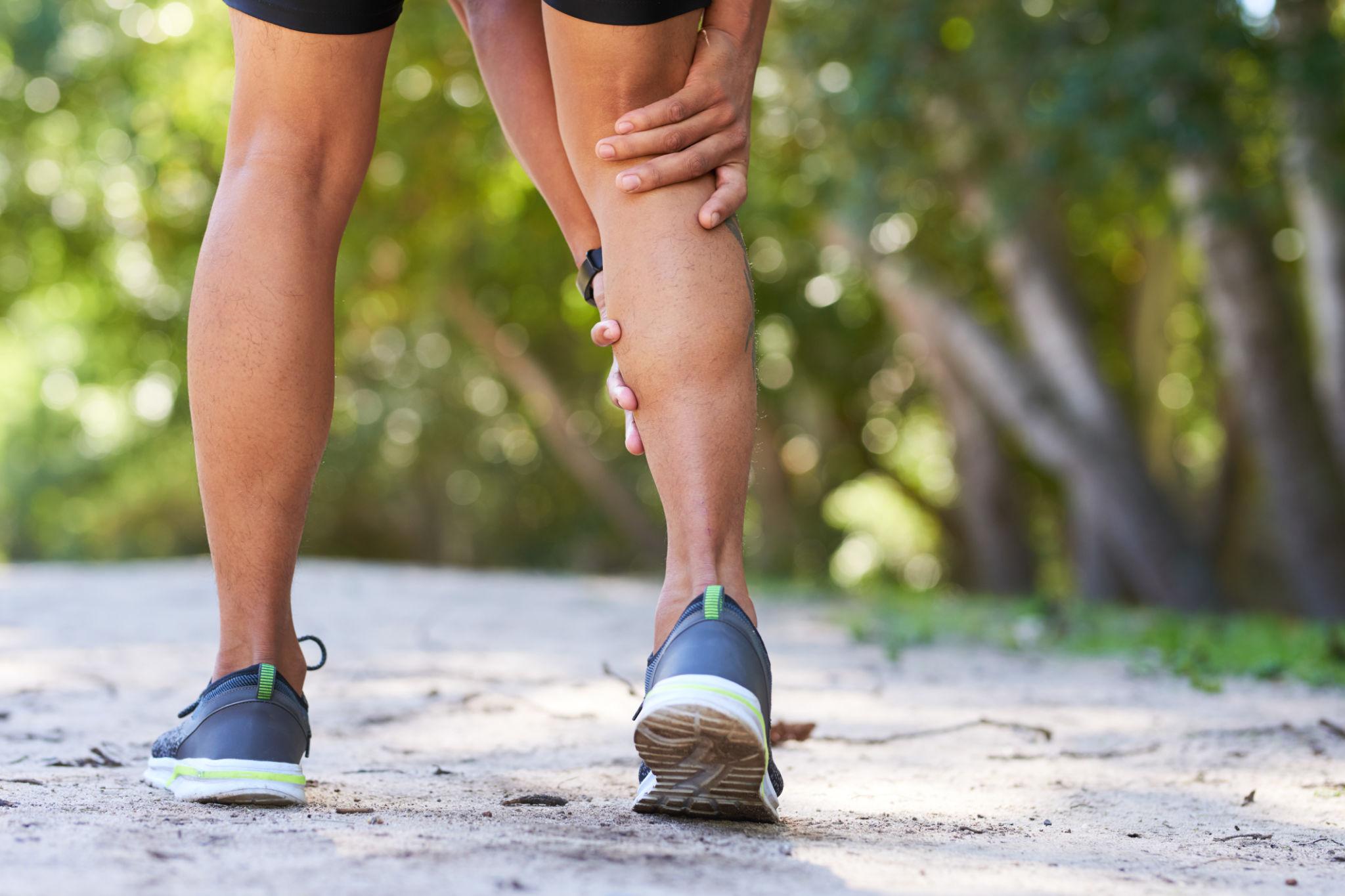
What Actually Causes Muscle Cramps in the Summer?
By Dr. Jess Grochowsky, PT, DPT, MTC, CLT, CMTPT
Every summer I hear the same thing: "I must be dehydrated."
Maybe. But probably not the whole answer.
Most people assume muscle cramps are caused by not drinking enough water. While dehydration can certainly contribute, research over the last two decades has shown that hydration is only one piece of the puzzle.
In fact, many people who experience painful muscle cramps are actually dealing with a combination of fatigue, inadequate conditioning, heat stress, and muscle overload.
Let's talk about what really causes summer muscle cramps—and how to prevent them.
Myth #1: Muscle Cramps Mean You're Dehydrated
Hydration matters.
But if dehydration were the only cause, every marathon runner and construction worker would cramp every day.
They don't. Many people cramp despite drinking plenty of water. Others become dehydrated without ever experiencing a cramp.
The reality is much more complex.
Your Nervous System Plays a Bigger Role Than You Think
Muscles contract because your nervous system tells them to. As muscles become fatigued, those signals become less coordinated.
The result? Your muscle can become "stuck" in a contracted state—a cramp.
This is why cramps often occur:
- Near the end of a long walk
- During the last few miles of a run
- After several hours of yard work
- At the end of a pickleball match
- After spending an entire day at the beach
Notice the pattern? It's fatigue.
Summer Heat Makes Fatigue Happen Faster
When temperatures climb, your body has to do two jobs:
- Exercise
- Cool itself
That means:
- Heart rate rises.
- Blood is redirected toward the skin.
- You sweat more.
- You fatigue sooner.
Even if you're drinking water, your muscles are working much harder than they would on a cool morning.
Conditioning Matters More Than Most People Realize
One of the biggest risk factors for cramping is asking your muscles to do more than they've been trained to do.
Examples include:
- Walking five miles on vacation after normally walking one.
- Spending six hours gardening after sitting at a desk all week.
- Playing three games of pickleball after normally only playing one.
- Joining the family volleyball game after months without jumping.
Your muscles don't know it's time to have fun. They only know the workload suddenly increased.
The solution isn't simply drinking more water. It's gradually building your capacity over time.
What About Electrolytes?
Electrolytes—including sodium, potassium, magnesium, and calcium—are essential for normal muscle contraction.
If you sweat heavily, especially during prolonged exercise, replacing electrolytes can be helpful.
However, electrolyte supplements are not a cure-all.
If your muscles are exhausted because they're undertrained or overloaded, an electrolyte drink alone won't prevent cramping.
Think of electrolytes as one piece of a much bigger picture.
Heat Adaptation: Your Body Can Learn
The good news?
Your body becomes more efficient in the heat.
After about 7–14 days of consistent exposure:
- You begin sweating earlier.
- Sweat becomes more efficient.
- Heart rate decreases during exercise.
- Core temperature stays lower.
- Exercise feels easier.
This process is called heat acclimatization, and it's one of the best ways to improve summer performance safely.
The key is gradual exposure—not jumping into an hour-long workout in 95-degree weather on day one.
7 Ways to Prevent Summer Muscle Cramps
1. Stay hydrated before you exercise—not just during it.
2. Replace electrolytes during prolonged activity or heavy sweating.
3. Build your fitness gradually throughout the summer.
4. Exercise during cooler parts of the day whenever possible.
5. Strength train two or three days each week.
Stronger muscles fatigue less quickly.
6. Improve your mobility.
Healthy joints distribute forces more efficiently, reducing unnecessary muscle strain.
7. Listen to early warning signs.
Muscle twitching, excessive fatigue, or declining movement quality often occur before a full cramp develops.
The Longevity Connection
As we age, muscle strength naturally declines if we don't actively maintain it.
That means muscles fatigue sooner and become more susceptible to cramping.
The best long-term prevention isn't simply drinking more water.
It's building a body that's resilient enough to tolerate summer activities.
- Strength.
- Mobility.
- Balance.
- Endurance.
- Those are the foundations of longevity.
The Bottom Line
Hydration is important—but it isn't the whole story.
If you're repeatedly experiencing muscle cramps every summer, ask yourself:
- Am I conditioned for the activity I'm doing?
- Am I getting fatigued?
- Have I gradually adapted to the heat?
- Am I replacing electrolytes when appropriate?
- Am I maintaining my strength and mobility year-round?
When you address the whole system, your muscles become more resilient—and summer becomes a lot more enjoyable.
Ready to Move Better This Summer?
If muscle cramps, stiffness, or fatigue are limiting your ability to enjoy walking, gardening, golf, pickleball, or playing with your grandkids, we'd love to help.
At Core Essentials Physical Therapy & Wellness, we don't just treat pain—we help you build the strength, mobility, and endurance needed to stay active for life.
Move Better. Stay Active. Live Longer.
Similar Posts


Insurance Providers
.webp)
.webp)
Cash Based with receipt provided for patient to self submit for out of network benefits for all other insurances
